
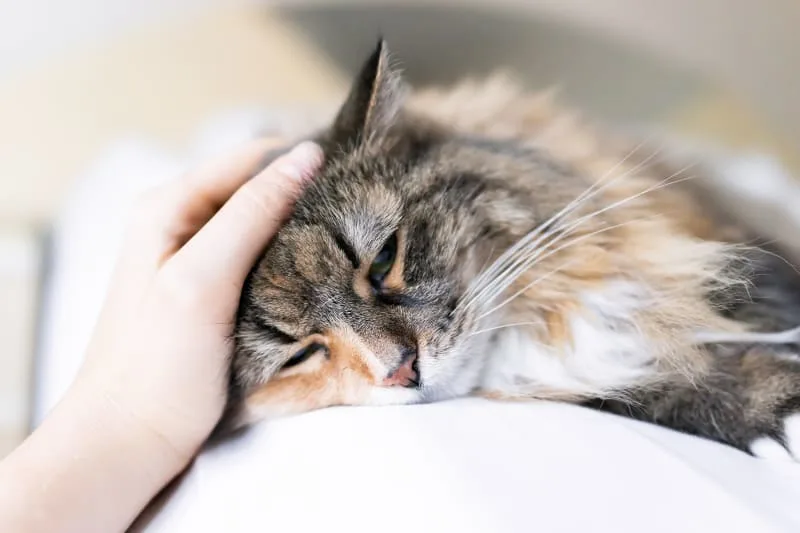
Is your cat's meow sounding different than usual, such as a squeak, scratchy rasp, or complete silence? Laryngitis doesn't only affect humans. In this post, our Fort Worth veterinarians delve into the symptoms, causes, and treatments of laryngitis in cats to provide you with more information.
Can a cat get laryngitis?
The larynx, also known as the voicebox, plays an important role in your cat's ability to vocalize. It serves several functions, including enabling your cat to meow. However, if there is an underlying health issue affecting the larynx, your cat's meowing ability can be affected.
If your cat is diagnosed with laryngitis, it indicates that their larynx has become inflamed due to factors such as irritation, illness, or an obstruction in the throat.
What causes cat laryngitis?
Cat laryngitis is often the result of infectious diseases such as upper respiratory infections (cat cold or URI), calicivirus, or rhinotracheitis however there are a number of other conditions that can cause your cat to lose their voice including:
Inhaled irritants, such as smoke or dust
Blockage in the larynx
Object lodged in the throat
Paralysis of laryngeal nerve
Hyperthyroidism
Growth in the throat (benign, cancerous
Eosinophilic granuloma complex
Throat cancer
What are the most common cat laryngitis symptoms?
The symptoms of laryngitis that your cat displays will depend upon the underlying cause but may include:
Changes in your cat's vocalizations
Dry, harsh cough that may be painful
Noisy breathing
Lowered head while standing
Open mouth
Difficulty swallowing
High-pitched breathing
Increased effort to breathe
Bad breath
If your cat's laryngitis is being caused by a virus or cat cold you may also notice symptoms of a common cold such as:
Watery eyes
Discharge from eyes
Runny nose
Sneezing
Loss of appetite
Lack of energy
If your cat is showing any of the symptoms listed above a trip to the vet is in order. While in some cases laryngitis caused by a viral illness may clear up on its own within a couple of days, the underlying cause could be serious and may require veterinary care.
It's important to keep in mind that a sore throat could also lead to difficulties breathing and an inability to eat, both of which are symptoms that deserve immediate veterinarian care.
What is the typical cat laryngitis treatment?
The treatment for your cat's laryngitis will vary depending on the underlying cause.
If your veterinarian identifies a fluid buildup in the larynx, they may prescribe a diuretic to address the issue. In cases where your cat is experiencing pain, a mild painkiller might be recommended to provide relief.
If a foreign object is stuck in your cat's throat, surgical intervention may or may not be necessary to remove it. Once the object is removed, your cat's ability to meow should be restored.
For cases of laryngitis caused by eosinophilic granuloma, treatment may involve addressing parasites since this condition often results from an exaggerated immune response to insect bites. Your veterinarian may also prescribe corticosteroids or steroids.
To help your cat feel more comfortable during the recovery process, running a humidifier at home can be beneficial. Gently cleaning any eye or nasal discharge from your cat's face with a soft damp cloth is also recommended. Your vet may suggest boosting your cat's immune system through improved diet and the use of supplements.
Note: The advice provided in this post is intended for informational purposes and does not constitute medical advice regarding pets. For an accurate diagnosis of your pet's condition, please make an appointment with your vet.
If you have noticed any symptoms of laryngitis in your cat, contact our Fort Worth vets to request an appointment today!